

岩波現代文庫
The void of old age
The void of old age
Couldn't load pickup availability
The Void of Old Age (2015) by philosopher Seiichi Washida.
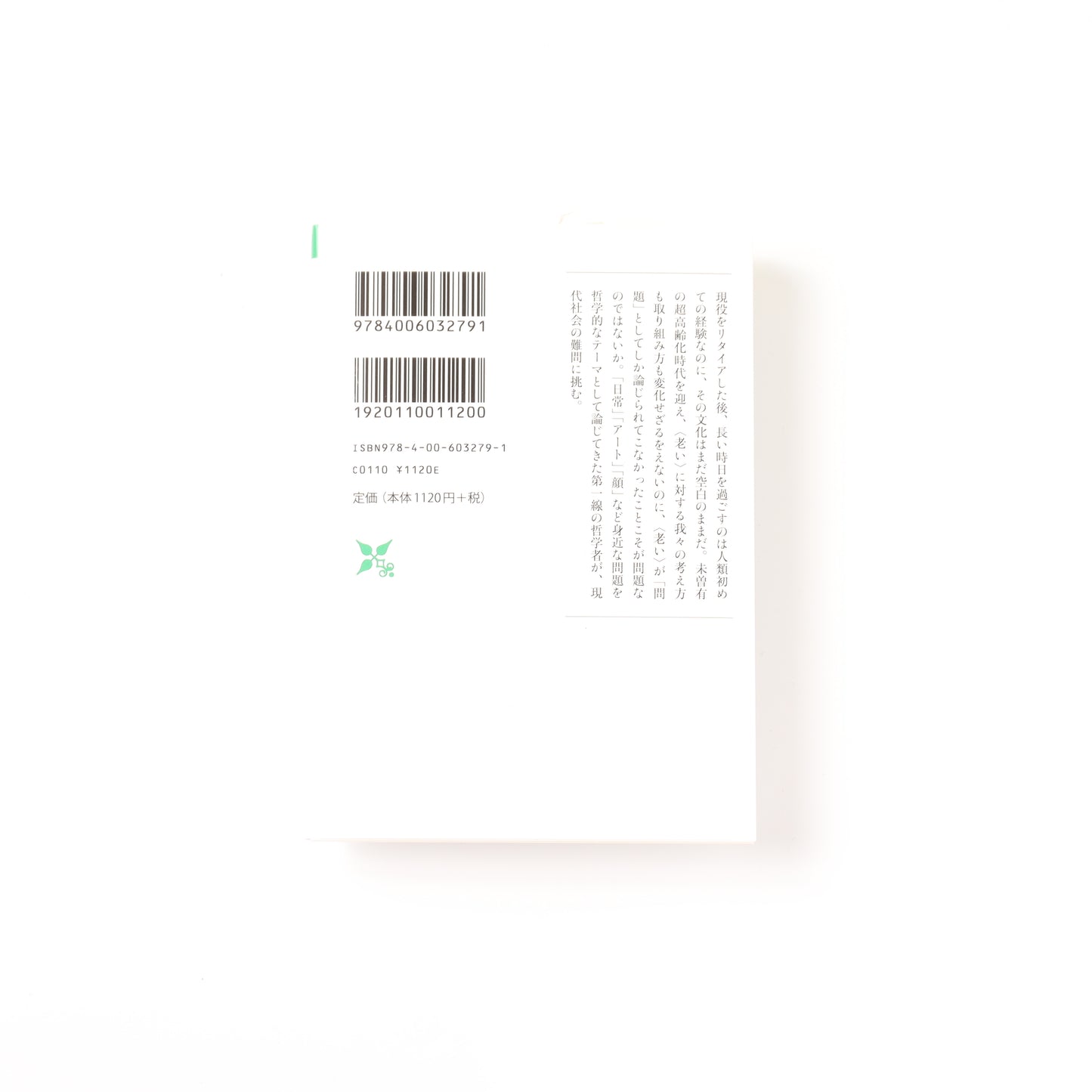
It is probably the first time in human history that people have spent such a long period of time after retiring from active work. For example, even if one works for 40 years from the age of 20 to 60, a long "post-retirement" life of 20 or 30 years awaits them afterwards. However, the culture surrounding this period remains a void. As we face an unprecedented super-aging society, our way of thinking and approaching "old age" must change.
The author, a leading philosopher who has discussed familiar issues such as "daily life," "art," and "the face" as philosophical themes, raises doubts about the conventional view that "old age" is merely a blank period in life, or a problem of care and nursing. Is it not "the problem" itself that "old age" is only spoken of as a problem?
This book shatters our preconceptions about the experience of "old age" and offers a perspective to re-examine what can only be seen from that experience, and the power of "weakness." As an example, the efforts of the workshop at "Bethel's House," a facility for patients with schizophrenia, are introduced, casting a new light on the efficiency-driven nature of modern society.
We all grow old. And now that the aging rate has exceeded 25 percent (Cabinet Office, 2013), isn't a new way of thinking, a new philosophy, desperately needed for "old age"? This book is filled with ideas to fill the cultural void of "old age."
In China, old age is viewed from a different perspective than a "problem" as "silver money" (silver-haired economy). But what about Japan, more than 10 years after this book was published, where the aging rate has already risen to nearly 30%? (Ammel)
Share